


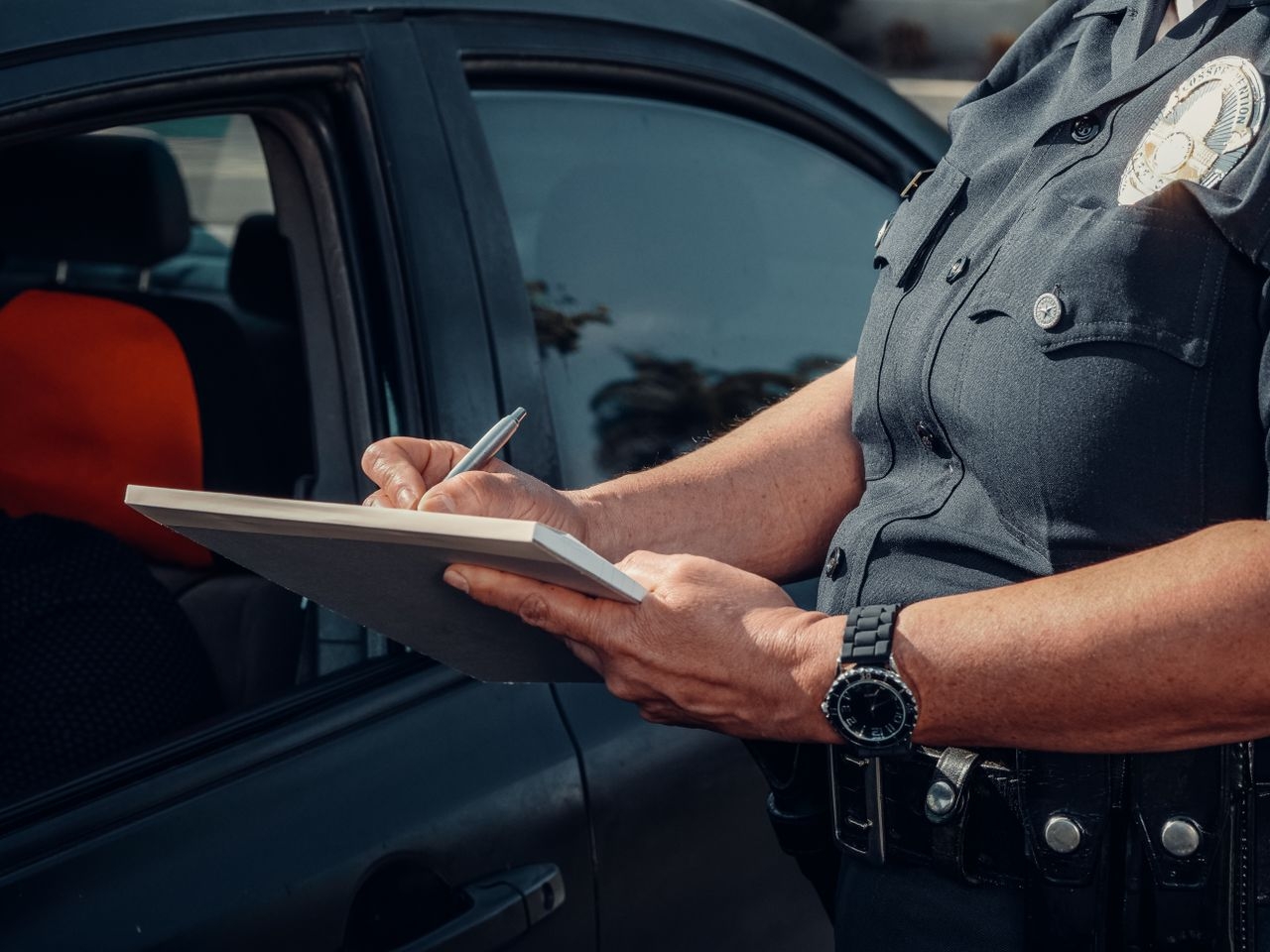
You get a traffic citation, look at the amount due, and consider paying it so you can put the whole thing behind you.
It can seem like the simplest option. You may assume there will be no court appearance, no time away from work, and no more worrying about the ticket.
But if you received a traffic citation in Pennsylvania, paying the fine and costs as your response to the charge is not the same as paying an ordinary bill. By resolving the citation that way, you are entering a guilty plea.
That distinction matters because the fine printed on the citation may not tell you everything you need to know about the consequences of that conviction.
Before you pay a traffic ticket in Pittsburgh or elsewhere in Western Pennsylvania, it is worth understanding exactly what you are agreeing to.
What Does It Mean to Pay a Traffic Ticket in Pennsylvania?
When you receive a Pennsylvania traffic citation, you generally must respond within 10 days. Two common responses are to plead guilty and pay the amount due or to plead not guilty and contest the citation.
Pennsylvania's rules for traffic citations make this distinction clear. When you respond to a citation by pleading guilty and paying the fine and costs, you are resolving the charge through a guilty plea.
That makes the decision about whether to pay more important than simply asking, "Can I afford this fine?" You also need to understand what a conviction for that particular violation could mean.
Does Every Traffic Ticket Put Points on Your License?
No.
Pennsylvania does not assign points to every traffic violation. A conviction for some moving offenses can result in points being placed on a driver's record, with the number of points depending on the specific violation.
A driver who looks only at the dollar amount can miss an important part of the picture. Two traffic citations with similar fines do not necessarily carry the same consequences.
Your existing driving record can matter as well. Accumulating additional points can move you closer to the threshold where PennDOT takes corrective action. Some traffic violations can also carry license consequences separate from Pennsylvania's point system.
Before paying, it makes sense to know whether the offense carries points and whether the conviction could affect your driving privilege.
Why the Exact Traffic Charge on Your Citation Matters
A traffic stop can feel straightforward from the driver's perspective.
Maybe the officer told you that you were speeding, made an improper turn, failed to stay in your lane, or disobeyed a traffic control device. But the description you heard on the roadside does not necessarily tell you everything about the charge.
Look at the citation itself.
The specific provision of Pennsylvania law listed on the ticket identifies the violation the officer alleges you committed. That provision determines what offense is charged and can affect the consequences of a conviction.
This is one reason treating every traffic ticket the same way can be a mistake.
Before deciding how to respond, make sure you understand the specific violation listed on the citation and the consequences that can follow from a conviction.
Your Driving Record Can Change What the Ticket Means for You
The citation in your hand is only part of the picture. Your existing driving record can affect what another conviction means for you.
For example, Pennsylvania's point system is cumulative. If you already have points on your record, additional points from another conviction can put you closer to the level at which PennDOT takes corrective action.
Other circumstances can raise separate concerns. If you drive for work, hold a commercial driver's license, or already have issues on your driving record, certain traffic convictions can carry consequences that go well beyond the amount printed on the citation.
At Hadeed Law, the citation is considered together with your driving record and individual circumstances so you can understand what is actually at stake before deciding how to respond.
That does not mean every traffic ticket will lead to serious licensing consequences. It means you should understand your own situation before deciding that the fine is the only thing that matters.
What Happens If You Decide Not to Just Pay the Ticket?
Choosing not to plead guilty does not guarantee a different outcome.
Pleading not guilty means you are choosing to contest the citation and have the charge addressed through the court process. The exact procedure depends on the citation and the court handling the matter, but you preserve the opportunity to challenge the charge rather than resolving it through a guilty plea.
Whether contesting the citation makes sense depends on the specific violation, the circumstances of the stop, your driving record, and the potential consequences of a conviction.
Before You Pay, Look Beyond the Amount Due
It is easy to understand why drivers want to resolve a traffic ticket quickly.
You have work, family responsibilities, and other things demanding your attention. A fine with a payment option can make the problem look simple: pay it, move on, and forget about it.
But the amount due is only one piece of information.
Before responding to a Pennsylvania traffic citation, consider:
- What violation are you actually being charged with?
- Does a conviction for this offense carry PennDOT points?
- What does your current driving record look like?
- Does this violation carry any separate license consequence?
- Do you understand what you are accepting by pleading guilty?
Getting answers to those questions can help you evaluate the ticket based on what a conviction could mean for you, not simply what it costs to pay it.
Before You Pay a Pennsylvania Traffic Ticket, Understand Your Options
If you received a traffic ticket in Pittsburgh or elsewhere in Western Pennsylvania, you do not have to make your decision based on the fine alone.
Attorney Samir Hadeed can review the citation, the specific charge, your driving history, and the circumstances of the stop to help you understand what the ticket could mean for you and what options are available.
Hadeed Law represents drivers facing traffic tickets throughout Pittsburgh and Western Pennsylvania.
Before deciding how to respond to your citation, make sure you understand what is at stake. Contact Hadeed Law to discuss your traffic ticket and the next steps in your case.
Disclaimer: Results may vary depending on your particular facts and legal circumstances. The articles on this blog are for informational purposes only and are no substitute for legal advice or an attorney-client relationship. If you are seeking legal advice, please contact Hadeed Law directly.