


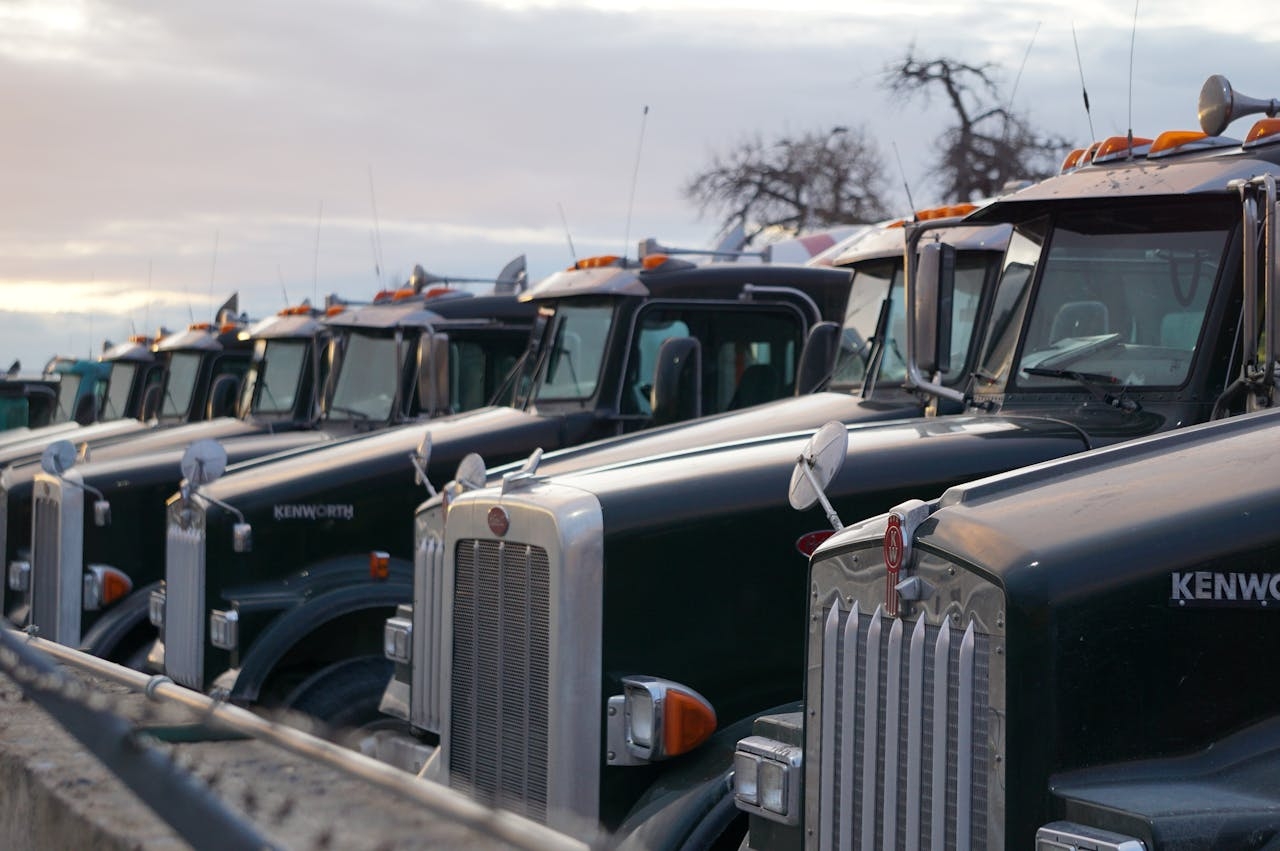
A truck equipment citation in Western Pennsylvania can disrupt far more than a single trip. For many trucking companies, the impact begins when a driver is stopped and an officer identifies a concern involving brakes, tires, lights, cargo securement, mirrors, or another vehicle condition that may not comply with applicable state or federal requirements.
What starts as a roadside inspection can quickly affect dispatch, delivery timing, maintenance review, and the internal decisions that follow any equipment-related stop. Once the citation begins affecting schedules, records, or compliance exposure, the matter becomes a company-level concern rather than only a driver issue.
For owners, fleet managers, safety directors, and compliance personnel, the pressure is immediate. A citation can interrupt operations, raise questions about maintenance oversight, and force your team to gather records, review procedures, and determine how the issue should be handled. The situation becomes even more challenging when the stop draws attention to related items such as prior inspection reports, permits, load documentation, or supporting paperwork tied to the trip. When a stop raises more than one concern, the compliance impact on your operation can grow quickly.
In Western Pennsylvania, where carriers regularly move freight through Pittsburgh, I-79, I-376, and the Pennsylvania Turnpike, these issues can arise with little warning and create significant operational strain.
Why Equipment Citations Create Operational and Compliance Risk
When a driver receives an equipment citation, the concern is rarely limited to the specific item listed on the ticket. The larger issue is what the stop may reveal about your company’s maintenance practices, inspection history, and internal communication. A single citation can raise questions about whether the equipment was properly serviced, whether the driver reported the issue, and whether the company’s procedures are strong enough to withstand closer review.
The first priority is determining whether the truck will be delayed or placed out of service. Any delay can disrupt delivery schedules, create rescheduling challenges, and strain customer relationships. Beyond the immediate disruption, the citation may become part of a broader compliance picture that could affect internal review, follow-up response, and how your company evaluates risk going forward. Depending on the circumstances, an equipment issue that appears isolated at first may also raise larger questions about maintenance practices, inspection procedures, or recordkeeping.
Trucking companies in Western Pennsylvania face unique pressures. Heavy traffic, steep grades, difficult weather, and frequent weigh station activity can increase the likelihood of equipment-related stops. A truck that is working hard to meet demand can quickly become the subject of a citation that forces your team to stop, assess the situation, and respond quickly. When this happens, the operational impact is real and often costly.
Common Business Risks After an Equipment Citation
One of the most common mistakes trucking companies make is focusing only on the fine. While the fine matters, it is often not the most expensive part of the problem. The real risks may include downtime, missed appointments, lost productivity, additional maintenance expenses, and administrative burdens. If the citation reflects a broader maintenance issue or appears to be part of a recurring pattern, the long-term compliance concerns can be even more significant.
There is also the reputational impact. Shippers, brokers, and business partners depend on reliable operations. Repeated roadside issues can create added pressure when your company is trying to reassure shippers, brokers, and business partners that operations are being managed reliably and responsibly. Even when the immediate matter seems manageable, the cumulative effect of repeated compliance trouble can damage relationships and create long-term business challenges.
For owners and safety personnel, these risks highlight why the right response matters. A rushed decision can create more problems than it solves. A thoughtful, informed approach can protect your company’s operations and reduce unnecessary exposure.
What Trucking Companies Should Do Immediately After the Citation
The first step is to slow down and gather the facts. A quick reaction may feel efficient, but it can lead to decisions that limit your options later. You should begin by confirming exactly what the citation says, what equipment issue was identified, and what occurred during the stop or inspection. It is important to determine whether the vehicle was simply cited, whether any out-of-service issue was involved, and whether the officer raised concerns about the load, permits, or supporting paperwork.
Make sure to preserve all relevant information. This may include inspection reports, photographs, driver statements, maintenance records, repair history, dispatch communications, and any internal notes showing the vehicle’s recent service timeline. If repairs were made after the stop, you should also preserve documentation showing what corrective steps were taken and when. These records can be essential if you later need to evaluate, respond to, or challenge the citation.
It is also important to review how your team responded internally. Was the issue previously reported by the driver? Had the truck recently been serviced? Was there a communication gap between maintenance and operations? These questions are not about assigning blame. They are about understanding the full picture so your company can make informed decisions.
Once your team has gathered the basic facts and preserved the key records, the next question is how to respond. That is where many companies make an avoidable mistake: treating the citation as something to dispose of quickly rather than something to evaluate carefully.
Why Resolving the Citation Too Quickly Can Be a Costly Mistake
When operations are disrupted, the instinct may be to resolve the matter as fast as possible. For many companies, paying the citation seems like the simplest way to move forward. But speed is not always the same as strategy. In some situations, paying the fine may close out the immediate ticket while leaving the company with questions about the stop, the supporting records, and the broader operational impact. Before making a final decision, it is worth understanding exactly what happened and whether the matter raises issues that deserve a closer look.
This is especially important when the citation overlaps with other concerns. An equipment-related stop may involve permit issues, load-related questions, inspection findings, or documentation problems that create a broader compliance picture. What appears to be a quick fix can become a poor long-term decision if you act before understanding the risks.
How a Pittsburgh Trucking Citation Lawyer Can Help Your Company Respond Strategically
When your company is dealing with an equipment citation in Western Pennsylvania, the goal should not be to react hastily, but to protect your operations, reduce unnecessary exposure, and make informed decisions that support your company’s broader business interests. This is where legal counsel can provide meaningful value.
Attorney Samir Hadeed can review the citation, assess the surrounding facts, and help you understand what is at stake. Depending on the situation, this may involve examining the stop itself, the records tied to the vehicle and driver, the supporting paperwork, and whether the citation points to broader concerns about maintenance, documentation, or internal compliance procedures. Just as important, he can help you evaluate whether paying the citation is the right response under the circumstances or whether the matter deserves closer review before the company moves forward.
Samir Hadeed understands that trucking citations rarely exist in isolation. For many carriers, the real issue is how the citation affects operations, documentation, compliance exposure, and the decisions that have to be made next. He works with clients at Hadeed Law to examine the facts, identify the risks, and make practical decisions based on what is truly at stake for the business.
Talk to Hadeed Law Before an Equipment Citation Creates Bigger Problems
If your trucking company has been hit with an equipment citation in Western Pennsylvania, the next step matters. What appears to be a routine roadside issue can affect schedules, deliveries, compliance records, and the way your operation is viewed moving forward. Before your company pays the ticket or makes a quick decision without fully reviewing the situation, it makes sense to step back, review what happened, and understand what is truly at stake.
Hadeed Law represents trucking companies dealing with equipment citations, weigh station violations, and other commercial vehicle matters throughout Pittsburgh and the surrounding Western Pennsylvania corridors. Attorney Samir Hadeed takes a practical approach by examining the facts, evaluating the risks, and helping clients make informed decisions that protect their operations and long-term business interests.
Contact Hadeed Law today to discuss the citation, the surrounding circumstances, and the steps that may help your company reduce disruption, protect its operations, and respond strategically.
Disclaimer: This blog is provided for informational purposes only and does not constitute legal advice. Reading it does not create an attorney-client relationship. For advice about a specific legal matter, please contact the law firm directly.