


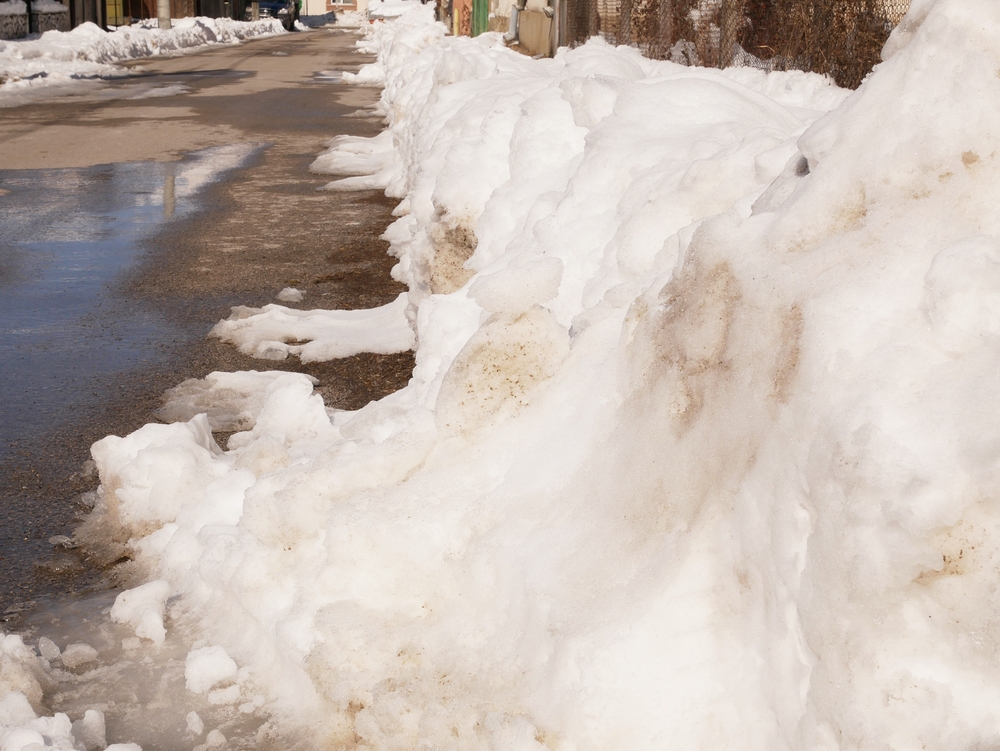
Winter in Western Pennsylvania, especially around Pittsburgh, can change quickly. One day brings slush, the next brings refrozen black ice, and sidewalks, steps, and parking lots across Allegheny County can become slick and dangerous within hours. Even when you are careful, a winter slip and fall can happen fast, and the injuries can be serious.
In Pittsburgh, these falls often happen on steep sidewalks and steps near busy corridors like Forbes Avenue, Fifth Avenue, and Penn Avenue. Trouble spots are especially common near bus stops, curb cuts, and shaded stairways where meltwater tends to linger and refreeze. If you were injured in a Pittsburgh winter slip and fall, the details you document in the immediate aftermath can matter more than most people realize.
A snow or ice fall can also raise a legal challenge. Pennsylvania slip and fall claims are often harder than people expect when the snow or ice accumulated naturally outdoors. That is because Pennsylvania follows the hills and ridges doctrine, which may limit a property owner’s liability for generally slippery winter conditions unless specific legal elements are met.
Many people assume that if they fall on ice, the property owner is automatically responsible. In reality, Pennsylvania law is more fact-specific, and the outcome often depends on what the surface looked like, how long the condition was there, and what the property owner knew or should have known.
Hadeed Law handles slip and fall injury cases in Pittsburgh, helping injured people understand what details matter, what evidence disappears quickly, and what steps can help protect a potential claim.
Do You Have a Case After a Pittsburgh Winter Slip and Fall?
Understanding PA’s Hills and Ridges Doctrine
Pennsylvania courts recognize a basic reality: during a typical winter, it isn’t realistic to expect every property owner to keep every surface perfectly dry at every moment. The hills and ridges doctrine reflects that.
In practical terms, the doctrine means this: when winter conditions are present and the snow or ice is naturally accumulating under generally wintry conditions, a property owner may argue that the doctrine may limit liability. In those cases, the key question is often whether the accumulation went beyond ordinary slickness and formed hills, ridges, or elevations that unreasonably obstructed safe travel.
For example, if you slip on recently formed ice across a lot, the defense may argue the doctrine applies. But if the surface had frozen footprints, hardened ruts, refrozen piles, or jagged uneven patches that were allowed to remain, the analysis can change. Many cases come down to three questions: what the ice looked like, whether the owner had notice, and whether that condition caused your fall.
Here’s what typically matters most when the hills and ridges doctrine is raised.
What Must Be Proven Under Hills and Ridges
Key Requirements
In Pennsylvania, hills and ridges cases often come down to a few core questions: whether the snow or ice formed ridges or elevations that created a real obstruction, whether the condition was allowed to remain long enough that the owner can be charged with notice, and whether that specific condition caused the fall.
In practice, the analysis often includes issues like these:
1. Hills or Ridges That Obstructed Safe Walking
A surface that is uneven and obstructive may support a claim more strongly than slickness alone, depending on the surrounding facts. Examples can include:
- Compacted, frozen footprints that create raised ridges
- Tire ruts that freeze into hard grooves
- Refrozen piles pushed into pedestrian paths
- Hardened mounds that force people to step around them
2. Notice to the Property Owner (and Whether It Was Addressed)
Notice can be:
- Actual notice: the owner or staff knew (for example, it was reported or clearly visible), or
- Constructive notice: the condition existed long enough that a reasonably careful property owner should have discovered and addressed it.
Even with notice, the next question becomes whether the owner took reasonable steps to deal with the dangerous accumulation.
3. The Hazard Caused Your Fall
Insurers may dispute why the fall happened. A well-supported claim connects the injury to the specific hazardous accumulation and supports that link with evidence such as photos, witness statements, and medical records. Pennsylvania’s modified comparative negligence rules can also reduce recovery if an insurer claims shared fault, and may bar recovery if you are found more than 50% at fault.
How Soon Must Snow and Ice Be Cleared in Pennsylvania?
Why Timing During and After a Storm Matters
In Pennsylvania, property owners are generally not required to keep every walking surface perfectly clear while snow is still falling. Instead, the focus is often on what the owner did once the weather let up and whether they acted within a reasonable time to address a dangerous buildup.
A common question after a winter fall is: “Shouldn’t they have shoveled?”
Clearing during a storm can be difficult because conditions keep changing. In many cases, the focus is on what the property owner did after the precipitation stopped, including whether snow and ice were left long enough to harden, refreeze, or form uneven buildup that made walking unreasonably dangerous.
When the Hills and Ridges Doctrine May Not Apply
The hills and ridges doctrine usually comes up when winter weather has affected the area generally, and the slippery condition comes from naturally accumulated snow or ice. Even then, the doctrine does not automatically bar every claim.
In some cases, the doctrine may not apply when the danger is more specific than general winter slickness. For example, if one area stays icy because of a drainage problem, a leaking gutter, or a surface defect that collects water and refreezes, the analysis may shift. The same can be true when the condition is concentrated in one spot rather than spread throughout the area.
Localized Ice Patches
If everything else nearby is mostly clear, but one specific patch stays icy, that can suggest a localized issue with a preventable cause, such as:
- A drainage issue that pools water and refreezes
- A leaking downspout or gutter runoff freezing in the same spot
- A depressed or damaged walking surface that collects water
Artificial or Worsened Conditions
Snow removal can also matter. If the way snow was piled or pushed caused water to melt and refreeze across a walkway, creating a slick sheet of ice in an area pedestrians are expected to use, that can affect how liability is evaluated.
Common Winter Fall Injuries and Why Symptoms Can Show Up Later
A winter fall is rarely “just a bruise.” Ice and concrete don’t provide a soft landing if you lose balance and come crashing down onto a slick surface.
Typical injuries from a winter slip and fall include:
- Head injuries (including concussions)
- Wrist and arm fractures (often from trying to catch yourself)
- Hip, ankle, and leg fractures
- Back and neck injuries that worsen over time
The immediate rush of adrenaline after a fall can mask the true extent of your injuries. Symptoms, particularly those affecting the head, neck, and back, may take hours or even days to fully appear.
What to Do After a Winter Slip and Fall in Pittsburgh: Steps to Protect Health and Evidence
Winter evidence can disappear quickly. Even if the surface changes, photos, witnesses, and weather timing may still help document what happened. To protect your health and preserve useful evidence, prompt action matters. At Hadeed Law, Attorney Samir Hadeed helps injured people evaluate time-sensitive details in winter slip and fall claims and identify what proof may still be available, even if the scene looks different now.
Get Medical Care Promptly
If there is pain, swelling, dizziness, a headache, or any sign of a head, neck, or back injury, don’t wait. Medical records help connect an injury to the fall, and delays can give an insurer room to argue that your injuries were pre-existing or that something else caused your symptoms.
Photograph the Surface Before It Changes
Evidence involving ice and snow can disappear quickly. If you can do so safely, take photos and videos that document both the hazard and the location. Include at least one wider photo that shows a landmark, the nearest street sign, or the closest intersection so there is no confusion later about where it happened.
If possible, capture each of the following:
- The ice/snow up close and from a distance
- Footprints, ridges, ruts, piles, slopes, or uneven accumulations
- The surrounding area (showing where you were walking)
- Any visible drainage issues (downspouts, pooling, runoff paths)
Get Witness Names and Numbers
If someone witnessed you fall or saw the hazard, that person’s name, contact information, and statement can be important later.
Report the Fall, Without Explaining It Away
Notify the manager or property owner that you were injured. Avoid signing statements on the spot. Avoid guessing about fault. Stick to the facts.
Get Legal Guidance Before a Recorded Statement or Quick Settlement
Winter slip and fall cases often come down to details that are easy to miss at first, like timing, photos, weather conditions, and how long the hazard was there. Getting legal guidance early can help you understand whether the hills and ridges doctrine is likely to be an issue and what information may matter most.
Deadlines Matter
Don’t Wait Too Long to Get Advice
After a Pittsburgh winter slip and fall, don’t wait to get advice. In Pennsylvania, most personal injury claims, including many slip and fall cases, need to be filed within two years. Missing the statute of limitations can end a claim before it starts.
If your fall involves property owned or maintained by a government entity, special notice rules and immunity issues may apply. In some situations, Pennsylvania law may require written notice within six months, and certain deadlines can be as short as that depending on the agency and the type of claim.
Injured In A Pittsburgh Winter Slip And Fall? You Do Not Have To Figure This Out Alone
A winter fall can leave you shaken, sore, and unsure what to do next, especially when symptoms show up later or the property owner frames it as “just winter.” But snow and ice claims in Pennsylvania often come down to details that are easy to overlook at the scene and hard to recreate after conditions change.
If you were injured in a Pittsburgh winter slip and fall, Hadeed Law can review what happened, explain how the hills and ridges doctrine may affect your options, and walk you through what facts typically matter when evaluating a potential claim. To schedule a free initial case evaluation, call 412-275-5413 or reach out through the firm’s online contact form.
Disclaimer: This article is for informational purposes only and does not create an attorney-client relationship. For legal advice about your specific situation, contact a lawyer directly.